
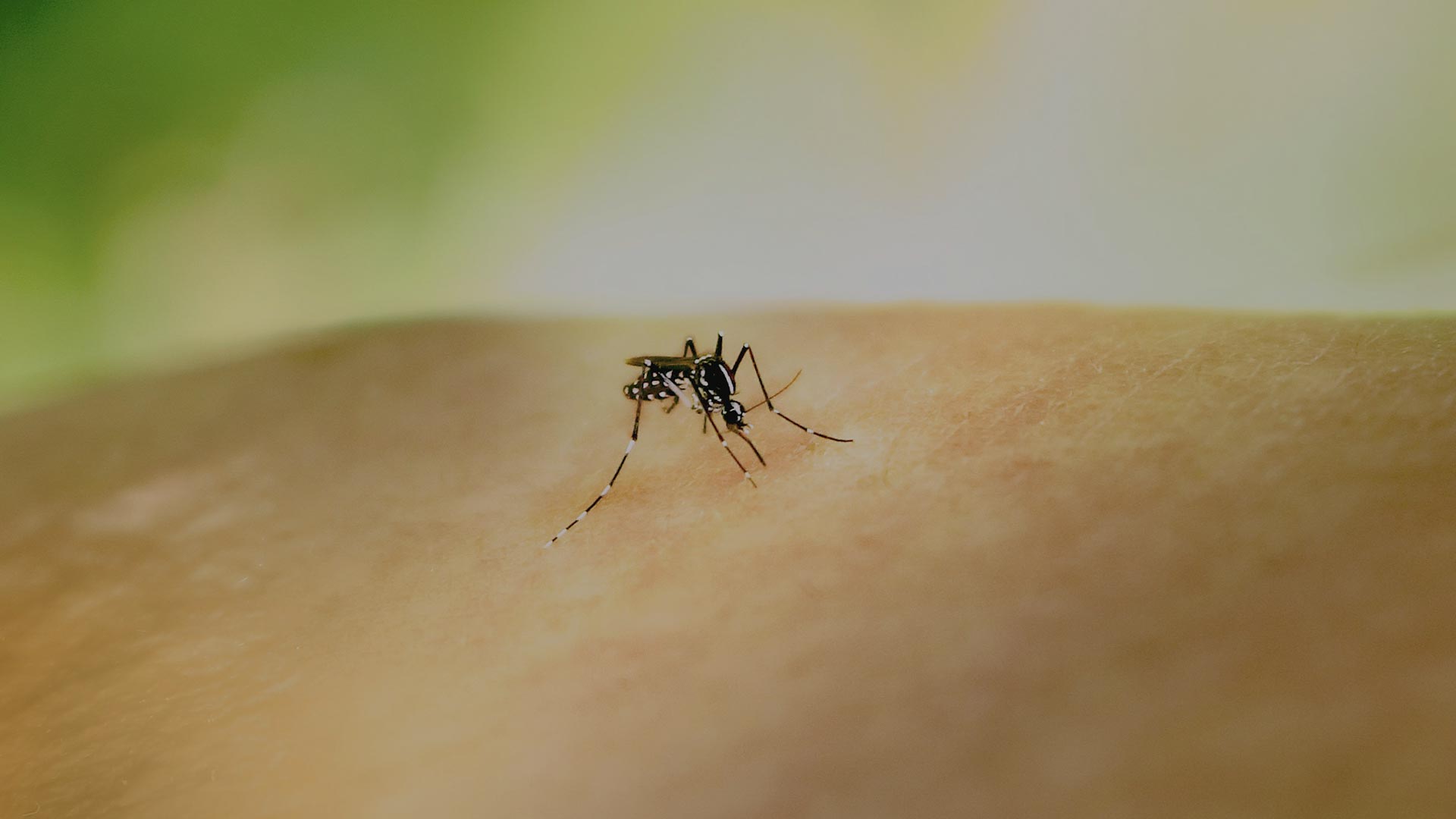
BCCDC coordinates provincial surveillance for vector-borne diseases, integrating mosquito trapping, dead-bird (corvid) testing and human case detection to track West Nile virus (WNV) risk from May through October; the primary WNV vectors in BC are Culex tarsalis and Culex pipiens, and WNV was first detected in the province in 2009 in the Okanagan, eastern Fraser Valley and southern Kootenays. Complementary programs use GIS-based spatial risk modelling to map Lyme disease and other tick-borne exposures—work increasingly shaped by climate-driven changes in vector range and abundance.
UBC CDC researchers
-

Erin Fraser
Public Health Veterinarian
-

Muhammad Morshed
Program Head, Zoonotic Diseases & Emerging Pathogens
Featured publications
Roth, D., Henry, B., Mak, S., Fraser, M., Taylor, M., Li, M….Morshed, M. (2010). West Nile Virus Range Expansion into British Columbia. Emerging Infectious Diseases, 16(8), 1251-1258. https://doi.org/10.3201/eid1608.100483.