

One Health Forum
Speakers
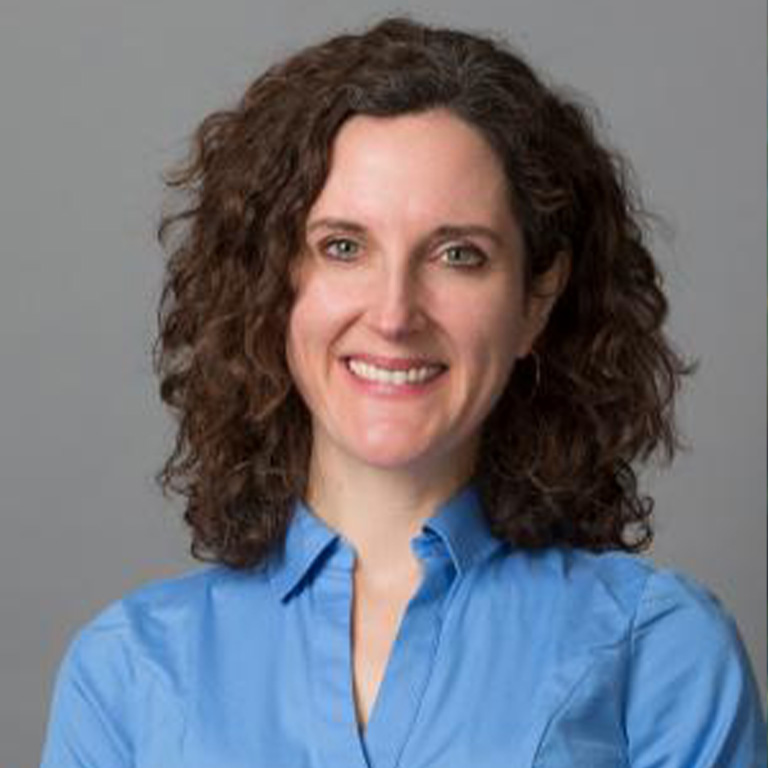
Jennifer Vines, MD, MPH, FRCPC, CCFP, is Medical Director for Communicable Disease Prevention & Response at the BC Centre for Disease Control (BCCDC). She joined BCCDC in 2024 and has held progressively senior roles in provincial communicable disease prevention, preparedness and response. Her portfolio includes One Health, respiratory and emerging pathogens, provincial outbreak coordination, pandemic preparedness, and public health emergency management. Keen to strengthen coordination across human, animal and environmental health sectors, Dr. Vines has served as BCCDC’s public health physician lead for avian influenza, with a focus on provincial H5N1 guidance, situational reporting, and communication with public health, health-system and agricultural industry partners. She is also a Clinical Instructor with the University of British Columbia’s Faculty of Medicine, School of Population and Public Health.

Chief Health Genomics Officer and Vice President of Research, Laboratory Services, & the BC Centre for Disease Control
Dr. Federica Di Palma is an internationally recognized leader in genomics and bioinformatics, with more than two decades of experience advancing the application of genomic science across public health, cancer, rare disease, and population health systems as well as non-health sectors. She is known for building and leading high performing, interdisciplinary teams that translate scientific innovation into practical, scalable impact for patients and the public.
Dr. Di Palma most recently served as interim senior executive director of the BC Genome Sciences Centre, leading the organization under its expanded provincial mandate. She also served for five years as chief scientific officer & vice president of Research and Innovation at Genome BC, where she advanced strategic research investment, strengthened provincial and international partnerships, and supported the integration of genomics into health systems and policy. Dr. Di Palma is a professor of medical genetics at the University of British Columbia and holds a PhD in immunogenetics from the University of Reading. Her career includes senior leadership and research roles at leading international institutions, including the Broad Institute of Harvard and Massachusetts Institute of Technology, the National Institutes of Health, the Earlham Institute and University of East Anglia in the United Kingdom, and the University of New Hampshire in the United States. She serves on international scientific advisory boards, advising governments and organizations in Canada, the United States and the United Kingdom on genomics policy, research strategy and capacity building.
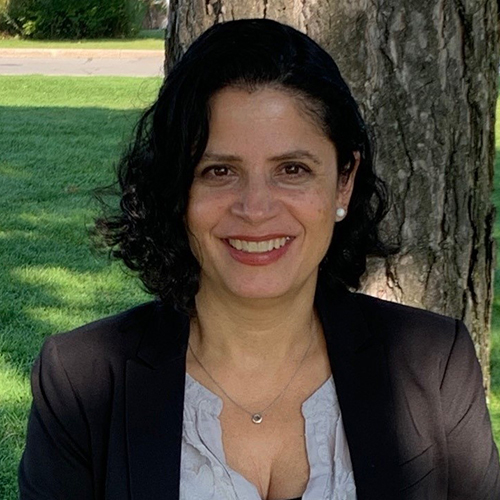
Kerry Robinson is Director General of the Centre for Foodborne, Environmental & Zoonotic Infectious Disease at the Public Health Agency of Canada. Her public health experience spans One Health infectious disease functions, the COVID-19 public pandemic response, immunization policy and programs, intergovernmental, Indigenous and partner engagement, and chronic disease prevention. Kerry is PhD trained in health research methods and has worked in public health policy, practice, research and management roles at multiple system levels over the last 25 years in Canada.

Dr. Bonnie Henry was appointed as British Columbia’s Provincial Health Officer in 2018. As BC’s most senior public health official, Dr. Henry is responsible for monitoring the health of all British Columbians and undertaking measures for disease prevention and control and health protection. Most recently Dr. Henry has led the province’s response on the COVID-19 pandemic and drug overdose emergency. Dr. Henry’s experience in public health, preventive medicine and global pandemics has extended throughout her career. She served in a number of senior roles at the BC Centre for Disease Control and Toronto Public Health, including as the operational lead in the response to the SARS outbreak in Toronto. She has worked internationally with the WHO/UNICEF polio eradication program in Pakistan and with the WHO to control the Ebola outbreak in Uganda and has been actively involved in mass gathering health planning in Canada and internationally.

Dr. Réka Gustafson Is the Chief Medical Health Officer and Vice President of Population & Public Health, Addiction Medicine, Mental Health and Substance Use at Island Health. In this role, Dr. Gustafson leads programs that aim to improve health and reduce inequities in health for residents of Island Health via public health programs in health protection, promotion, and prevention. She also provides oversight for the Addiction Medicine and Mental Health and Substance Use programs in Island Health. Dr. Gustafson joined Island Health from the BC Centre for Disease Control, the organization she led during the COVID-19 Pandemic. Prior to that she was the Medical Health Officer for the City of Vancouver and Deputy Chief Medical Health Officer for Vancouver Coastal Health. She is a Clinical Professor at the UBC School of Population and Public Health. Throughout her career, Dr. Gustafson has worked in the areas of HIV prevention and care, outbreak control and response, and overdose prevention and response, and healthy public policy.
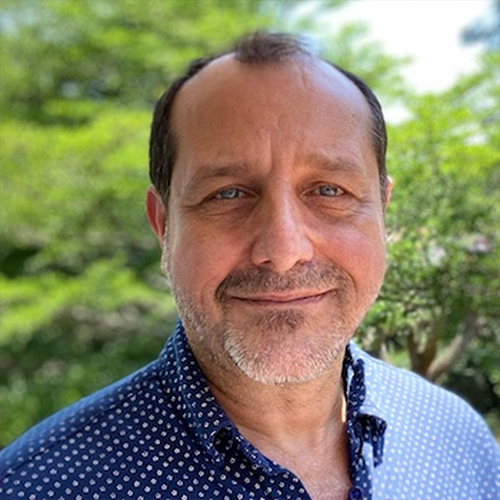
Julian is the head of the Biodiversity and Land Branch at UNEP’s Ecosystems Division, where he oversees a $1.3 bn portfolio of projects on biodiversity conservation, restoration and sustainable use of biodiversity and land. This includes initiatives on key ecosystems such as forests, drylands and peatlands, protected areas, One Health, the ecosystem valuation and true cost accounting, as well as support to countries to meet their obligations under biodiversity multilateral environmental agreements.He previously led UNEP’s work on the One Health Quadripartite and the Nature4Health Multi-Partner Trust Fund.
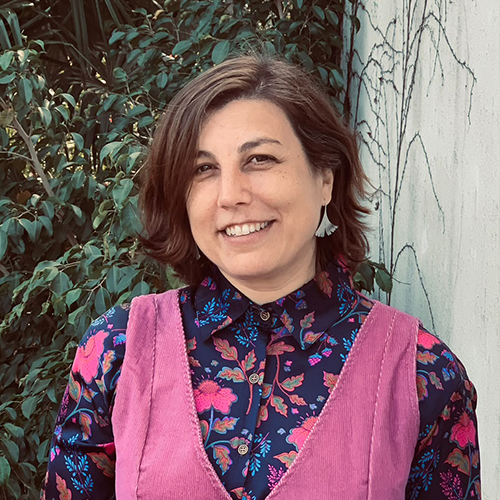
DMV, PhD in Veterinary Sciences, serves as Regional One Health Coordinator for the Americas at the World Organisation for Animal Health (WOAH). She is also Associated Professor at the Infectious Diseases Department at the Faculty of Veterinary Sciences, University of Buenos Aires, Argentina. She has extensive experience in the One Health field, with a particular focus on antimicrobial resistance, zoonotic diseases, and wildlife health.

Dr. Dominique Charron is a Visiting Scholar in One Health at the University of Guelph. She holds a Doctor of Veterinary Medicine and PhD in Epidemiology, also from the University of Guelph. Her expertise in integrated approaches to health combines knowledge of zoonoses, infectious disease emergence and ecology, antimicrobial resistance, food systems, climate change and sustainable development. Previously, she was Vice-President Programs and Partnerships at Canada’s International Development Research Centre where she led research strategy and championed Canadian and international partnerships for gender responsive and inclusive science to address sustainable development challenges. Dr Charron is a member of the Canadian Institutes of Health Research Institute of Infection and Immunity Advisory Board, the Public Health Agency of Canada Expert Panel on Avian Influenza, and the One Health High Level Expert Panel advising the Quadripartite international agencies. Through her consulting firm, she advises the Canadian Veterinary Medical Association and other clients. She has produced over 40 peer-reviewed publications, and a book, Ecohealth Research in Practice. She is bilingual in English and French. She lives in Ottawa, on unceded Algonquin territory.
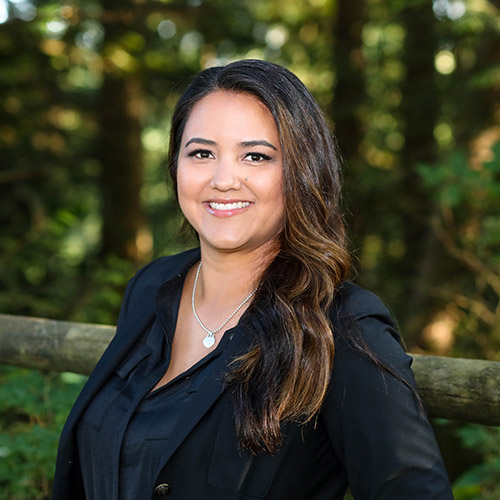
Dr. Brittany Bingham (she/her) is a proud member of the shíshálh (Sechelt) Nation and an Indigenous scholar whose work focuses on Indigenous women’s health, gender equity, climate change and public health systems transformation. She holds a Master of Public Health and PhD in Health Sciences from Simon Fraser University and is an Assistant Professor in the Division of Social Medicine, Faculty of Medicine, at the University of British Columbia and a Health Research BC Scholar.
Dr. Bingham is the founder and lead of the Indigenous Equity Lab. Grounded in matriarchal wisdom, Indigenous leadership and community-driven research, her work advances Indigenous health equity and explores the relationships between health, land, climate and planetary well-being. With more than 20 years of experience working alongside Indigenous communities, health systems and policy leaders, she leads research that aims to improve Indigenous experiences in healthcare and inform meaningful systems change.
Dr. Bingham is Principal Investigator of two newly CIHR-funded research initiatives focused on decolonizing health governance and leadership in climate emergencies. These projects centre BC First Nations perspectives and sovereignty, Indigenous languages, land-based knowledge and self-determination in strengthening health emergency responses. She also leads IMPACT (Investing in Matriarchal Access, Care and Traditional Wellness), a five-year initiative exploring Indigenous women’s experiences of menopause and midlife wellness. Across her work, she is committed to advancing Indigenous leadership, knowledge and self-determination in shaping healthier, more equitable futures for communities and the planet.

Dr. Jude Dzevela Kong is a Professor at the University of Toronto’s Dalla Lana School of Public Health, where he holds the Canada Research Chair in Community-Oriented Artificial Intelligence and Mathematical Modelling of Infectious Diseases and directs the Artificial Intelligence and Mathematical Modelling Lab (AIMMLab). He founded and directs the Global South AI for Pandemic and Epidemic Preparedness and Response Network (AI4PEP), which connects more than 230 researchers and policymakers across 23 countries to build Southern-led, responsible AI solutions that integrate human, animal, and environmental data for disease prevention, preparedness, and response. He also founded the Africa-Canada AI and Data Innovation Consortium (ACADIC), whose COVID-19 modelling informed government responses in nine African countries. His research combines artificial intelligence, data science, and mathematical modelling to develop, implement, and scale responsible, community-oriented One Health solutions for infectious disease surveillance, outbreak prediction, pandemic preparedness, global health security, and climate-health resilience. Governments and public health agencies on four continents use technologies developed by his teams, including AI-powered mosquito surveillance, polio monitoring, avian influenza early warning, and zoonotic threat intelligence systems. A member of the College of the Royal Society of Canada, Dr. Kong has published more than 240 articles. His honours include the 2026 African Scholars Global Impact Award, the 2026 University of Alberta Alumni Horizon Award, and the 2025 Dalla Lana School of Public Health Excellence in Research Award.

Theresa was raised in the Fraser Valley. Over the years since graduation from the Western College of Veterinary Medicine, she has worked as a frontline veterinary practitioner with both large and small animals. Between stints in practice, she engaged in graduate studies including a PhD in Epidemiology from the University of Guelph. Before joining the BC Office of the Chief Veterinarian, Theresa worked at the Center for Coastal Health and Animal Health Canada. She has an ongoing interest in collaborative, real-world solutions to complex animal and One Health challenges.
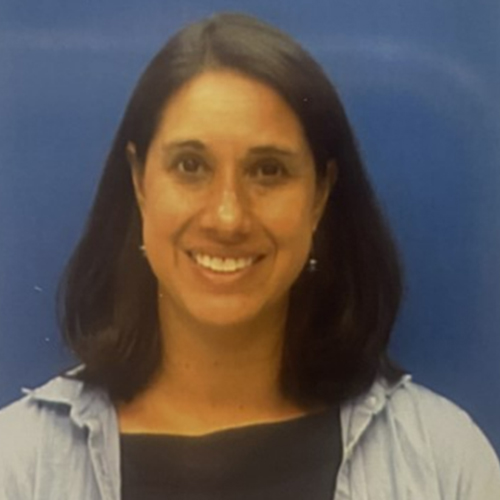
Dr. Beth Lipton is the State Public Health Veterinarian with Washington State Department of Health. She has over 18 years of experience in local and state governmental public health and seven years of experience in clinical veterinary practice as both a mixed and small animal veterinarian. Her current role primarily involves zoonotic and vector borne disease surveillance, prevention and outbreak response and addressing emerging diseases and issues from a One Health perspective. Dr. Lipton served as President of the National Association of State Public Health Veterinarians during 2023−2024. She was previously a six-year member of the Board of Directors for the Washington State Public Health Association. Dr. Lipton received her DVM degree from Tufts University School of Veterinary Medicine and MPH from University of Washington School of Public Health.

Dr. Maulik Baxi is a Medical Health Officer and Medical Director at Fraser Health, where he oversees Communicable Diseases Prevention and Control and Immunization portfolios. His areas of interest are Vaccine Preventable Diseases with specific focus on Emerging pathogens such as Avian Influenza. His practice interests are intersectionality of determinants of health and their impact on public health outcomes. He serves as a co-supervisor for the Canadian Field Epidemiology program at Fraser Health as well as a Clinical Faculty with University of British Columbia.
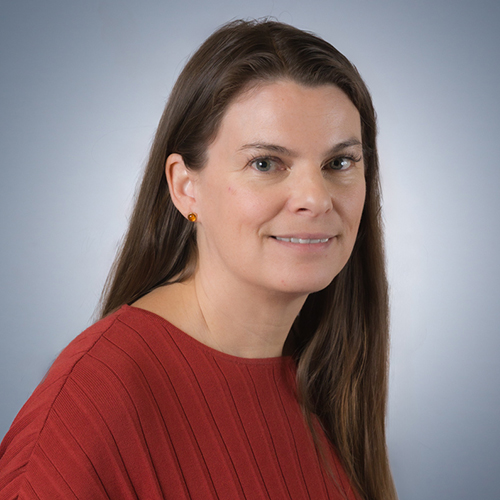
Dr. Shannon Waters is Coast Salish and a member of Stz’uminus First Nation on Vancouver Island. She was honored to work in her home territory as a family doctor but became largely frustrated with the health system’s focus on sickness and instead chose to focus on what keeps us well. Shannon completed her specialty training in Public Health and Preventive Medicine. She has worked in this field federally, provincially and at First Nations organizations. In 2017 Shannon was honored to come full circle and work in her home territory as the local Medical Health Officer with Island Health. Her priorities in her work were connection to the environment, mental wellness, and maternal/child/family health. In 2024 Dr. Waters became the first ever Deputy Provincial Health Officer, Planetary and Water Health in the province of BC.

Since joining Global Affairs Canada in 1999, Trevor Smith has worked on a range of non-proliferation, arms control and disarmament issues pertaining to chemical, biological, radiological and nuclear (CBRN) weapons and missiles. He has been a member of Canada’s Weapons Threat Reduction Program since its establishment (2002), where he led the successful effort to establish biological security as a priority for the Global Partnership Against the Spread of Weapons and Materials of Mass Destruction (GP) and spearheaded the launch of the Signature Initiative to Mitigate Biological Threats in Africa (SIMBA), the GP Countering WMD Disinformation Initiative and Innovation for Mitigating Proliferation & Countering Threats of WMD (IMPACT-WMD). He has overseen the initiation and implementation of more than $750 million in tangible threat reduction and capacity building programming by Canada in dozens of countries in Africa, the Americas, Asia and Europe, and has initiated and led numerous innovations and multi-sectoral collaborations to support partner countries, regions and international organisations to prevent, detect and respond to all manner of CBRN threats.

Dr. Lawrence Goodridge is a Professor in the Department of Food Science at the University of Guelph, where he holds a Tier 1 Canada Research Chair in Foodborne Pathogen Dynamics. He is also Director of the Canadian Research Institute for Food Safety (CRIFS), a multidisciplinary research institute dedicated to advancing food safety through research, innovation, and collaboration. Dr. Goodridge is an internationally recognized food microbiologist whose research applies genomic technologies, rapid diagnostics, and environmental surveillance to understand and mitigate microbial threats to human, animal, and environmental health. His work encompasses foodborne pathogens, antimicrobial resistance, wastewater-based surveillance, and the development of innovative approaches for pathogen detection and control. A strong advocate for the One Health approach, Dr. Goodridge collaborates with government agencies, academic institutions, and international organizations to address emerging infectious disease threats and strengthen global surveillance capacity. He leads initiatives supporting antimicrobial resistance surveillance, food safety innovation, and scientific capacity building, particularly in low- and middle-income countries. Through his research and leadership, Dr. Goodridge works to bridge the traditional boundaries between food safety, public health, veterinary health, and environmental science, translating scientific discoveries into practical solutions that protect public health and strengthen resilient food systems.

Dr. Naveed Janjua is the Director of the University of British Columbia Centre for Disease Control (UBCCDC) at the Faculty of Medicine, University of British Columbia and the Senior Executive Director (Interim), Science & Public Health Intelligence at the BC Centre for Disease Control (BCCDC). He also serves as Co‑Director of the Canadian Network on Hepatitis C (CanHepC) and Director of Skills Training for Real‑world Intervention Evaluation (STRIVE) in STBBIs.
His research focuses on infectious diseases – including hepatitis B, hepatitis C, and COVID-19 – health disparities, health outcomes, and the effectiveness of prevention and treatment interventions to generate real-world evidence. He uses large, real-world data cohorts, such as the BC Hepatitis Testers Cohort and the BC COVID-19 Cohort, to conduct high-impact research that has directly informed clinical guidelines, public health policy, and health‑system decision‑making in Canada and globally.

Shellina Lakhdhir, MBA, CFRE, is the Chief Executive Officer of the Pacific Public Health Foundation, where she is leading the organization’s transformation to strengthen financial sustainability, expand philanthropic investment, and advance public health outcomes across British Columbia. A transformational nonprofit executive and fundraising leader with more than 20 years of experience, Shellina has built a career at the intersection of philanthropy, strategy, and social impact. She is recognized for her ability to build meaningful partnerships, inspire investment in complex societal challenges, and align diverse stakeholders around a shared vision for healthier communities.
Prior to joining the Foundation, Shellina served on the Senior Leadership Team at St. Paul’s Foundation, where she contributed to the successful $264 million campaign to support the new St. Paul’s Hospital and helped shape the organization’s fundraising strategy and philanthropic partnerships. Throughout her career, she has held leadership roles with Science World BC, Mulgrave School, and Aga Khan Foundation Canada, securing and stewarding major philanthropic investments while advancing organizational growth and mission impact.
Shellina is deeply committed to advancing prevention, health equity, and population health. She believes philanthropy can be a powerful catalyst for healthier communities and stronger systems, creating lasting benefits for current and future generations.